• Welcome to your new Gnomio site

    Now, you are in control!

    Moodle is an open-source Learning Management System (LMS) that provides educators with the tools and features to create and manage online courses. It allows educators to organize course materials, create quizzes and assignments, host discussion forums, and track student progress. Moodle is highly flexible and can be customized to meet the specific needs of different institutions and learning environments.

    Moodle supports both synchronous and asynchronous learning environments, enabling educators to host live webinars, video conferences, and chat sessions, as well as providing a variety of tools that support self-paced learning, including videos, interactive quizzes, and discussion forums. The platform also integrates with other tools and systems, such as Google Apps and plagiarism detection software, to provide a seamless learning experience.

    Moodle is widely used in educational institutions, including universities, K-12 schools, and corporate training programs. It is well-suited to online and blended learning environments and distance education programs. Additionally, Moodle's accessibility features make it a popular choice for learners with disabilities, ensuring that courses are inclusive and accessible to all learners.

    The Moodle community is an active group of users, developers, and educators who contribute to the platform's development and improvement. The community provides support, resources, and documentation for users, as well as a forum for sharing ideas and best practices. Moodle releases regular updates and improvements, ensuring that the platform remains up-to-date with the latest technologies and best practices.

    Links of interest:

    (You can edit or remove this text)

Available courses

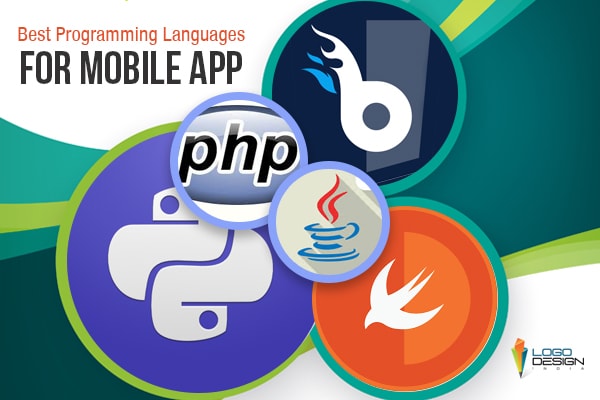
Mobile programming courses generally cover the principles, tools, and practices for developing applications for mobile devices like smartphones and tablets. They focus on the specific challenges and opportunities presented by mobile platforms, such as limited resources (battery, processing power), various screen sizes, and unique user interaction paradigms (touch, gestures).

Core Topics Covered

A typical mobile programming course will include a mix of theoretical concepts and practical, hands-on development. Key topics usually include:

  • Introduction to Mobile Platforms: Overview of major mobile operating systems, primarily Android (Java/Kotlin) and iOS (Swift/Objective-C), including their architecture, core components, and development ecosystems.

  • Integrated Development Environments (IDEs): Learning to use tools like Android Studio (for Android) or Xcode (for iOS).

  • Programming Language Fundamentals: Review or deep dive into the specific language(s) required for the platform (e.g., Kotlin or Swift).

  • User Interface (UI) Design: Principles of mobile-friendly UI/UX, including layouts, views, controls, and handling different screen sizes and orientations.

  • Activity/Lifecycle Management: Understanding the various states an application can be in and how to manage the transitions (e.g., Android Activity Lifecycle or iOS View Controller Lifecycle).

  • Data Persistence: Techniques for storing and retrieving data on the device, such as using local databases (e.g., SQLite, Room), files, or key-value stores.

  • Networking and Web Services: Connecting mobile apps to the internet, consuming APIs (JSON/XML), and handling asynchronous operations.

  • Device Features Integration: Utilizing built-in hardware and software features, such as the camera, GPS/location services, accelerometer, and notifications.

  • Testing and Debugging: Strategies and tools for identifying and fixing issues, and ensuring app quality.

  • App Distribution: The process of preparing, signing, and submitting an application to the respective App Stores (Google Play Store, Apple App Store).

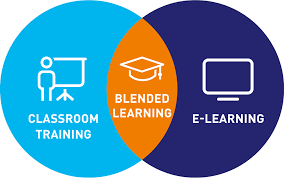
This course provides a comprehensive exploration of Flexible and Blended Learning (FBL) models, focusing on the principles and practical strategies for designing, developing, and facilitating engaging hybrid educational experiences. Participants will learn to thoughtfully integrate various learning modalities—including face-to-face instruction, synchronous online sessions, and asynchronous digital content—to maximize student autonomy and meet diverse learning needs.

The curriculum covers key topics such as FBL models (e.g., Flipped Classroom, Rotation, Flex), utilizing Learning Management Systems (LMS), curating digital resources, and implementing technology-enhanced assessment strategies. By the end of the course, participants will be able to create a cohesive, learner-centric, and flexible course structure that promotes accessibility, critical thinking, and enhanced student outcomes.